This glossary is made to help the people understand the specific language literature teacher use in their class. It can also help the future literature teacher to use the good term and be the more specific possible.
alliteration
noun
The occurrence of the same letter or sound at the beginning of adjacent or closely connected words.
Example: the alliteration of “sweet birds sang”
fr: allitération
anachronism
noun
A thing belonging or appropriate to a period other than that in which it exists, especially a thing that is conspicuously old-fashioned.
Example: Federal Boiotia probably began in the sixth century (there are Boiotarchs at Hdt. ix. 15 - 479 BC - whom there is no special reason to write off as an ANACHRONISM by the historian) and the league was never dissolved in the fifth, despite the disgrace and demoralization caused by Theban medism in the Persian Wars, and despite a decade's loss of independence to Athens, in Boiotia as a whole, between 457 and 446.
fr: anachronisme
antagonist
noun
a person who actively opposes or is hostile to someone or something; an adversary.
"he turned to confront his antagonist"
Example: There is always an ANTAGONIST who opposes the protagonists. In this specific scene, the ANTAGONISTs would be the women who despise Miranda.
fr: antagoniste
anti-hero
noun
A central character in a story, movie, or drama who lacks conventional heroic attributes.
Example: Examples: Hannibal Lecter in The Silence of the Lambs. Holden Caulfield in The Catcher in the Rye. Jay Gatsby in The Great Gatsby.
fr: anti-héros
antonym
noun
A word opposite in meaning to another.
Example: This judgement is supported by the paradoxical result of replacing the adverb by its ANTONYM.
fr: antonyme
archetype
noun
A recurrent symbol or motif in literature, art, or mythology.
Example: However hard we try to make him into a literary ARCHETYPE he remains firmly rooted in life, in nonliterary experience.
fr: archetype
autodiegetic narrator
noun
autodiegetic (not comparable) (literary) Pertaining to a narrator who is also the protagonist.
Example: Nick Carraway is the narrator of as well as a character in F. Scott Fitzgerald's The Great Gatsby.
fr: narrateur autodiégétique
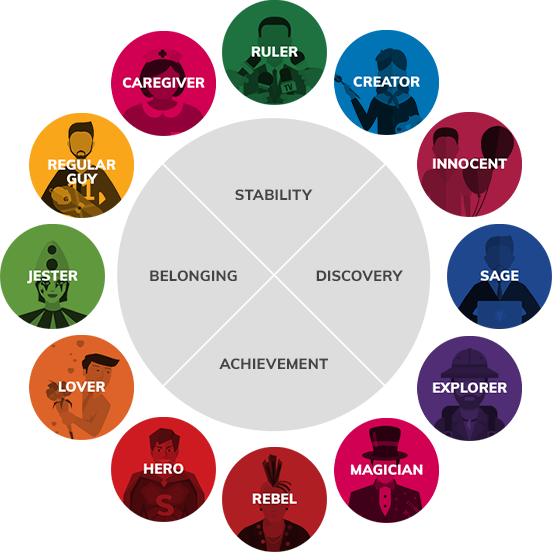
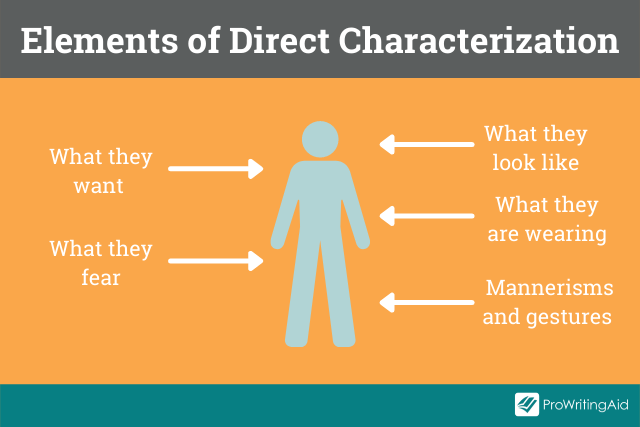
characterization
noun
The creation or construction of a fictional character.
Example: An important aspect might be embodied by Baudelaire's CHARACTERIZATION of modernism in terms of " mouvement brusque " (see Berman 1983: 156ff.).
fr: caractérisation
Connotation
noun
An idea or feeling that a word invokes in addition to its literal or primary meaning.
Example: The words "sensation of white" are unlike a proper name in that they have CONNOTATION.
fr: connotation
dystopia
noun
An imagined state or society in which there is great suffering or injustice, typically one that is totalitarian or post-apocalyptic.
Example: In 1932 Aldous Huxley wrote 'Brave New World'. His DYSTOPIA existed six hundred years into the future.
fr: dystopie
epilogue
noun
A speech or piece of text that is added to the end of a play or book, often giving a short statement about what happens to the characters after the play or book finishes.
Example: Somewhere in the middle of the fourth book, Gray includes an EPILOGUE in which he invites readers to follow the text in one order but think about it in another.
fr: épilogue
intertextuality
noun
The relationship between texts, especially literary ones.
Example: The decentring of the author as the source and guarantee of his her discourse, and the increasing preoccupation with the operation of INTERTEXTUALITY in the novel could be demonstrated to be reflected in the work of the nouveaux romanciers .
fr: intertextualité
masterpiece
noun
a work of outstanding artistry, skill, or workmanship.
Example: A guide to London public sculpture described the monument as "A MASTERPIECE by the much - advertised apostle of Ugliness", a view shared by those who felt that Hudson the nature lover was ill commemorated by a sculpture which showed nature in so raw a state.
fr: chef-d'oeuvre
Novella
noun
A short novel or long short story.
Example: The kiss and branding also appear in a fifteenth - century Italian NOVELLA.
fr: nouvelle
ode
noun
A lyric poem in the form of an address to a particular subject, often elevated in style or manner and written in varied or irregular meter.
Example: This is also what Brooks sees in Keats's poetry in his analysis of "ODE to a Grecian Urn", though here the motion of paradox rather than irony is invoked (1949: 139 - 52).
fr: ode
parody
noun
An imitation of the style of a particular writer, artist, or genre with deliberate exaggeration for comic effect.
Example: Diary novels traditionally reflect what the authors think real diaries are or are written as a PARODY of the diary as a negative model.
fr: parodie
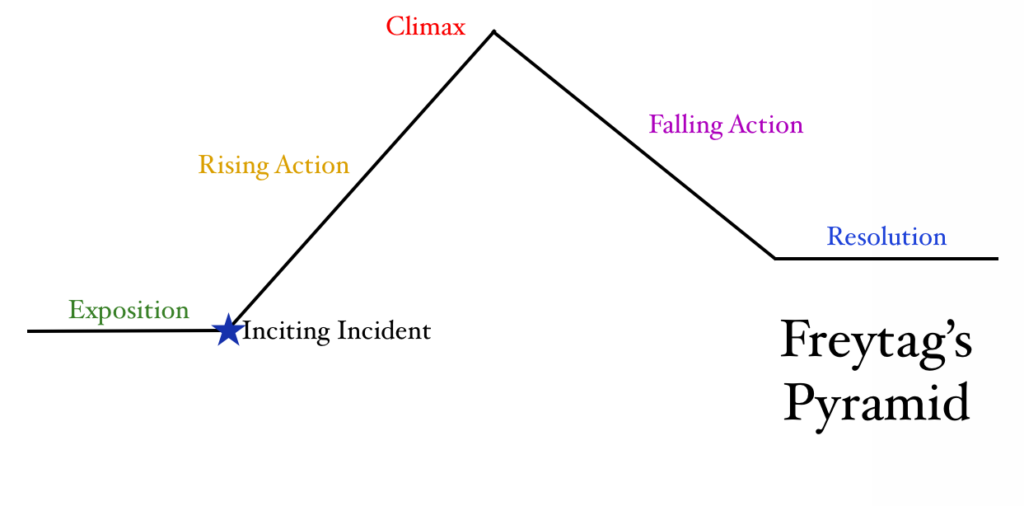
plot
noun
The main events of a play, novel, movie, or similar work, devised and presented by the writer as an interrelated sequence.
Example: The plot consists almost entirely of a man and woman falling in love.
fr: l'intrigue
protagonist
noun
the leading character or one of the major characters in a drama, movie, novel, or other fictional text.
Example: In contrast to the main characters of Out and Such , the anonymous PROTAGONIST of Between appears to be relatively well adapted to the world in which she lives and travels.
fr: protagoniste
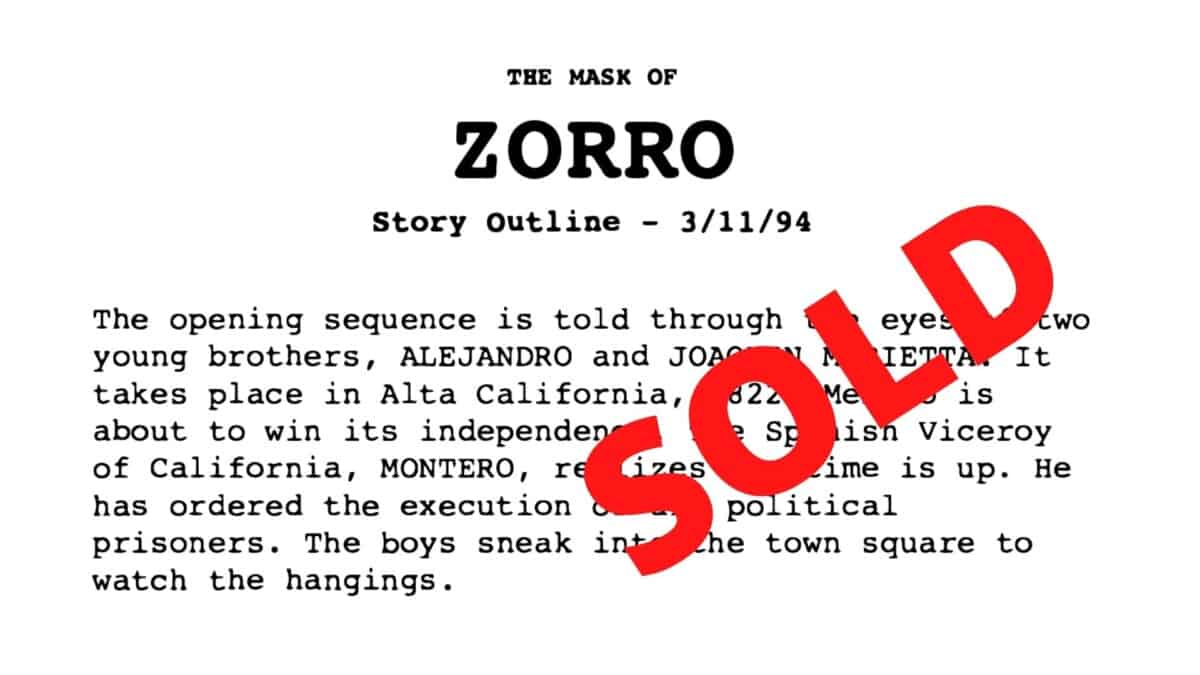
Synopsis
noun
An outline of the plot of a book, play, movie, or episode of a television show.
Example: As well as outlining this structure in the body of his text, Cornford supplied summary outlines of the plays in a "SYNOPSIS of the Extant Plays".
fr: synopsis
Utopia
noun
An imagined place or state of things in which everything is perfect.
Example: At almost the same time (1516), Thomas More, in his UTOPIA, wrote the most famous of all denunciations of the evils of enclosure: Forsooth, my lord, quoth 1, your sheep that were wont to be so meek and tame and so small eaters, now, I hear say, be become so great devourers and so wild, that they eat up and swallow down the very men themselves.